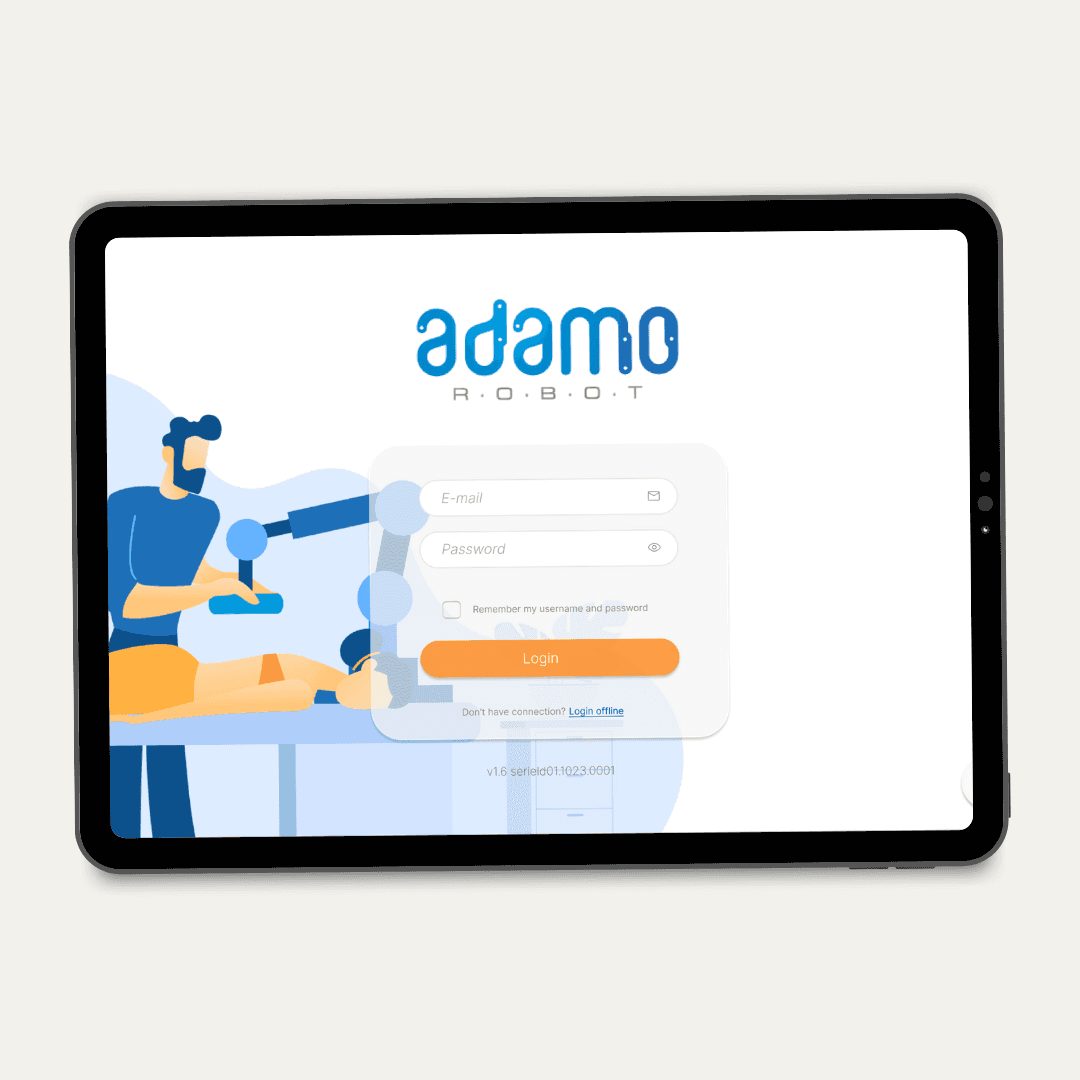
Adamo Robot
Interface Design for Physiotherapy Robots
Role
UI/UX Design
User Research
Year
2024
Tools
Figma
Adobe Cloud
Team
Alberto Menendez (Software)
Overview
ADAMO is a novel robotic medical device designed
to assist physiotherapists in the treatment of musculoskeletal conditions through temperature- controlled, pressurized air.
My assignment was to redesign the better align the current interface design with new software features and functionalities to improve user experiences in clinical settings.
Context
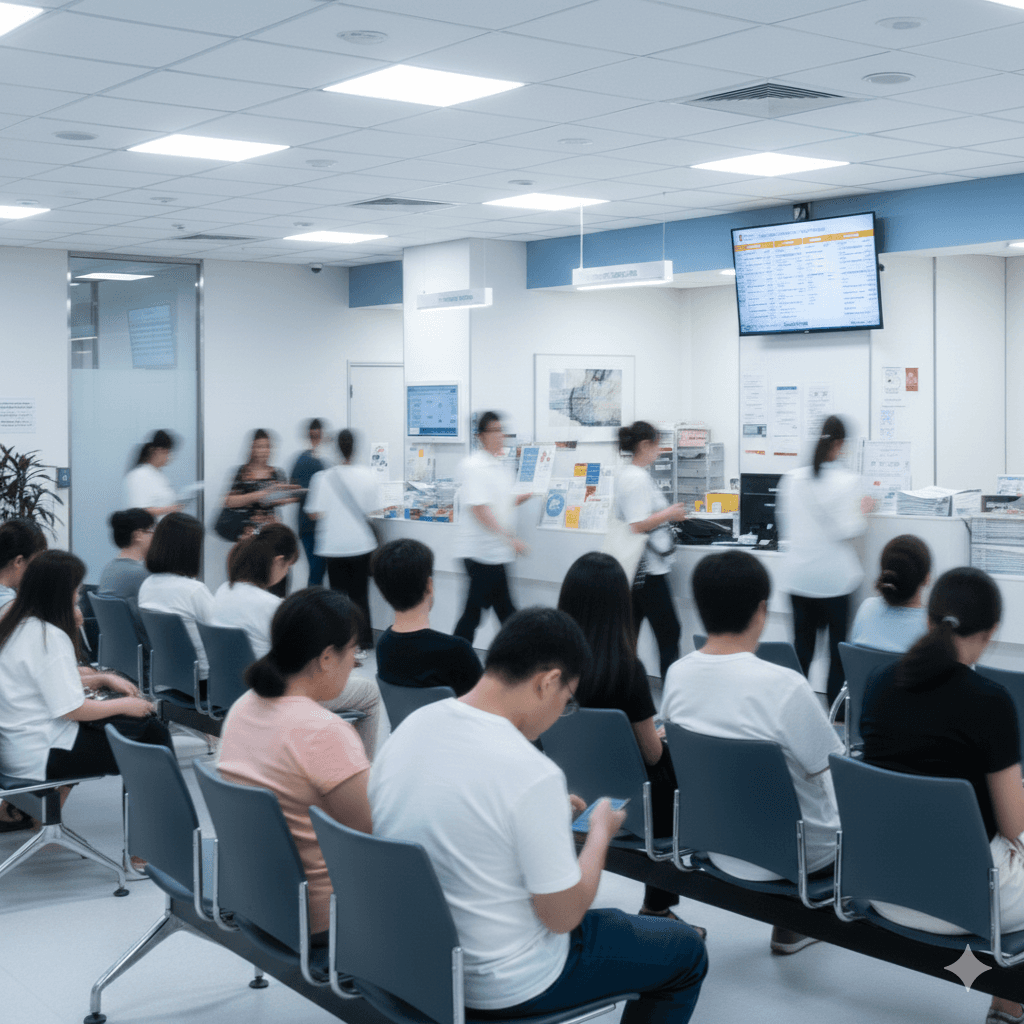
High Patient Volume
Busy environments and short time restraints require efficient systems.
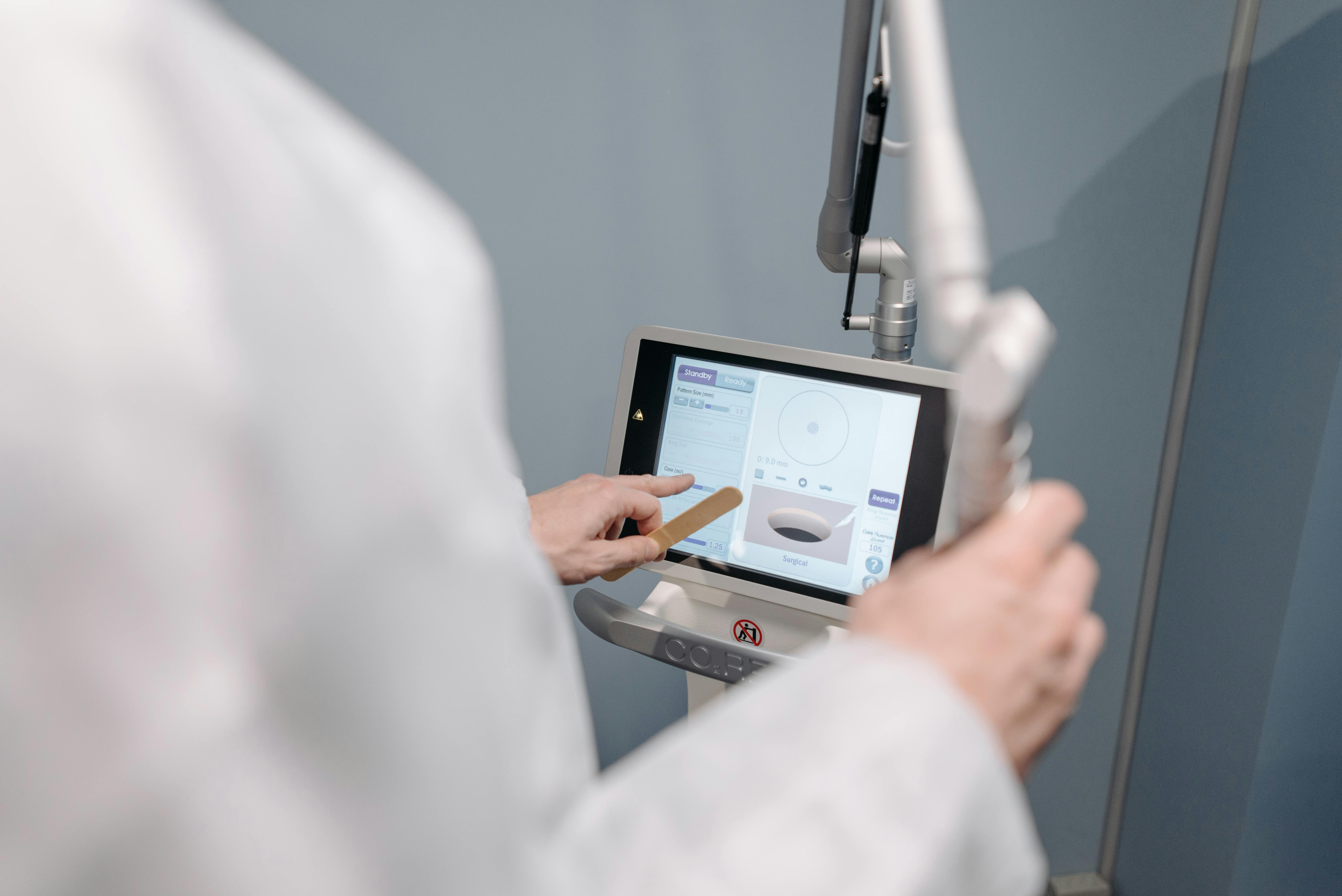
Need for Clear Communication
Technical issues require identifiable solutions in clinical settings.
Research
Before moving forward, I conducted 20+ interviews across developers, clients, and physiotherapists with varying levels of familiarity to the current interface. With these insights, I was able to see where the current design system fell short and where it could be improved.
User Testimonies:
"I want to spend less time setting up patient information so that I can focusing on attending to patient needs."
- Manuel Rodriguez (Physiotherapist)
"The error messages are hard to troubleshoot since they lack clarity and don't provide solutions to hardware malfunctions."
- Alberto Menendez (Developer)
"It would be helpful to have more icons and visual elements to assist users when selecting treatments to reduce the visual load."
- Alba Cassado (Biomedical Engineer)
Key Findings
Outdated
Disconnected
Poor Flow
Outdated components led to difficult use of the machine.
Lack of clarity between interface and physical tasks.
Error messages without solutions left users frustrated and would increase patient wait times.
Problem
Confusing visual layouts can frustrate first time users when conducting treatments for musculoskeletal disorders.
How might one better align the current interface design with software features and functionalities to improve user experiences in clinical settings.
Improvements
To address the key faults in the system, I altered the existing system by:
Simplifying the current user flow and removing extraneous components which were no longer in use.
Improving visual icons for ease of use and improving consistency of visual elements across pages.
Providing clear warning icons to match possible hardware malfunctions to improve clarity in troubleshooting.
40+ rounds of testing
3+ sites
Improved Iconography
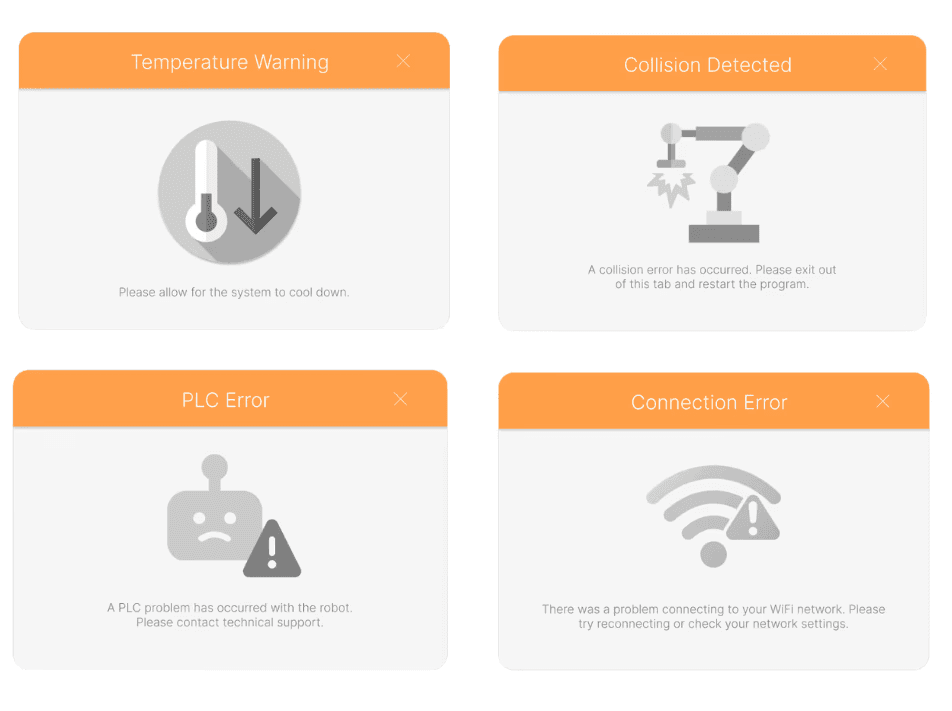
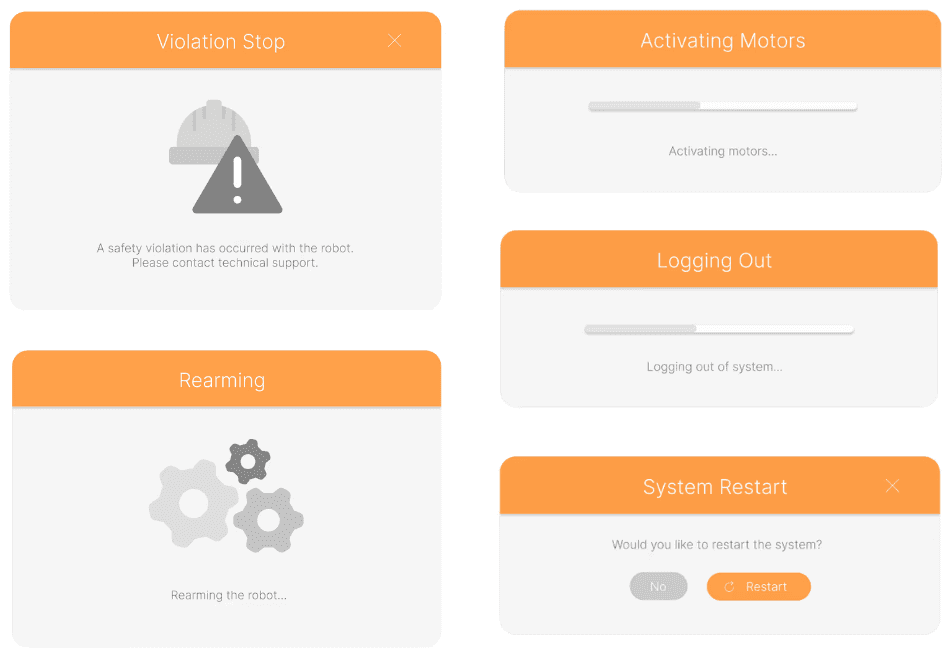
New design for icons regarding pop-ups and warnings allow users to be better informed with what actions need to be taken forward when using the robot.
Clarity with icon use reduces confusion and helps provide current updates to give users full context over what is happening behind the screen they are interacting with when treating patients.
Features
Body Selection
Users can select area of treatment based on an anatomical image. Visualization of data allows for better understanding of medical processes.
Point Compare
User can compare points from previous sessions to thermal changes over time. This data assists in further analysis of patient data.
Outcome
The redesigned ADAMO interface streamlined clinical workflows, resulting in a 65% reduction in patient set up time (from ~75 seconds to ~26 seconds) allowing for more treatment time. I was also able to expand the design system by 25% with new components, features, and interaction patterns which improved consistency, scalability, and ease of use.
By the end of my 10 weeks, I was able to provide the current team at ADAMO robot with a more efficient, intuitive experience that better supports physiotherapists in fast-paced clinical settings.